

Can you bake with margarine? Yes. In fact, many professional bakeries, factories and F&B chains in Vietnam use margarine as an effective alternative to dairy butter in popular baking recipes.
What Is Margarine?
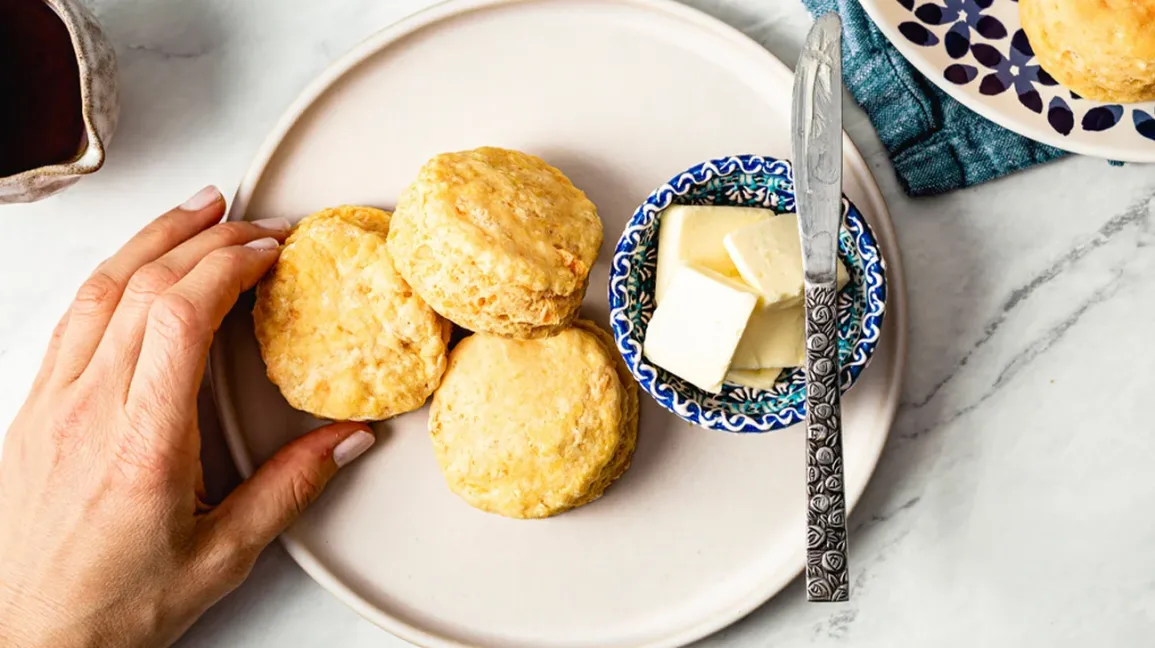
Margarine is an edible fat made from vegetable oils through industrial processing to achieve a texture and function similar to dairy butter. Rather than being extracted from cow's milk like traditional butter, it is made from oils such as palm, canola, soybean and sunflower oil…
These products generally contain more water and added ingredients for flavor, recreating butter's smooth texture and pliability at a more competitive price. Margarine is therefore widely used in baking today to lower costs and simplify operations through storage at room temperature.
What Types of Margarine Are Available?
Plant-based butter alternatives fall into 2 main groups:
- 100% plant-based margarine typically contains around 80% fat.
- Butter blends (margarine blended with a small proportion of dairy butter) typically contain 75–85% fat, depending on the blend.
Each type has its own advantages and disadvantages.
Pros and Cons of Fully Plant-Based Margarine
Fully plant-based margarine offers good heat tolerance, with a melting range around 36–42°C, higher than dairy butter and room temperature. This suits Vietnamese kitchen conditions: it does not soften as quickly during handling, holds its shape during longer baking and makes large-scale dough mixing more consistent.
It is also affordable, making it suitable for basic baked goods and mid-range bakeries with less demanding flavor requirements. Common applications include cakes, bread, cookies, biscuits, hot pastries and industrial baked goods…
The drawbacks of fully plant-based margarine are:
- Less flavorful than dairy butter, without the same melt-in-the-mouth richness
- Lower-grade products may have a slightly harsh flavor
→ Read more at: What Is Margarine Used For?
Pros and Cons of Plant-Based and Dairy Butter Blends
These products blend margarine with dairy butter for a taste and mouthfeel closer to real butter. Their advantages include smooth richness and an aroma similar to pure dairy butter, making them difficult to distinguish when eaten. They are also a cost-efficient option for bakeries seeking premium pricing or seasonal products such as mooncakes.
The drawback is that blends with a high proportion of dairy butter require more stable storage temperatures and greater care during preparation.
Can You Bake with Margarine?
Can you bake with margarine? Absolutely. Margarine adds lightness, richness and a mild aroma while offering stability in hot, humid conditions. In practice, it can replace dairy butter in any baked product that uses it.
In a market like Vietnam, where most bakeries serve the affordable segment and relatively few specialize in premium products, margarine is a suitable alternative that offers a cost advantage as ingredient prices rise. Few bakeries use only dairy butter, apart from premium bakeries and pastry kitchens in 4–5-star hotels and resorts.
Key benefits of baking with margarine include an airy texture, balanced richness without a harsh flavor, improved crust color and crispness, and good shape retention during baking. Limitations in aroma and richness can be addressed by blending it with dairy butter.
Which Baked Goods Benefit Most from Margarine?
Margarine can be used for all types of baked goods, but is particularly effective for:
- Cookies and biscuits
- Sponge cakes
- Sandwich bread and sweet bread
- Laminated pastries (puff pastry, croissants)
- Mooncakes and baked pastries
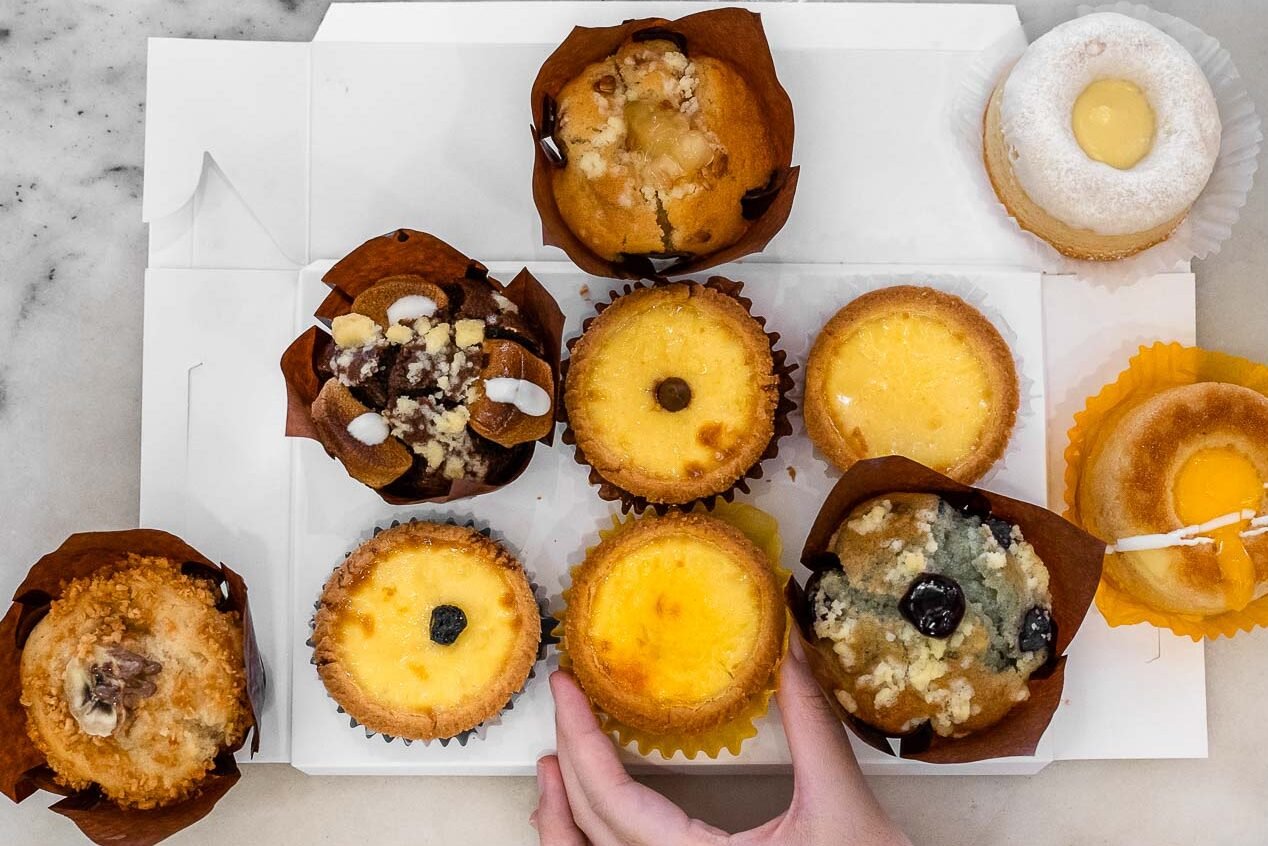
- Tarts
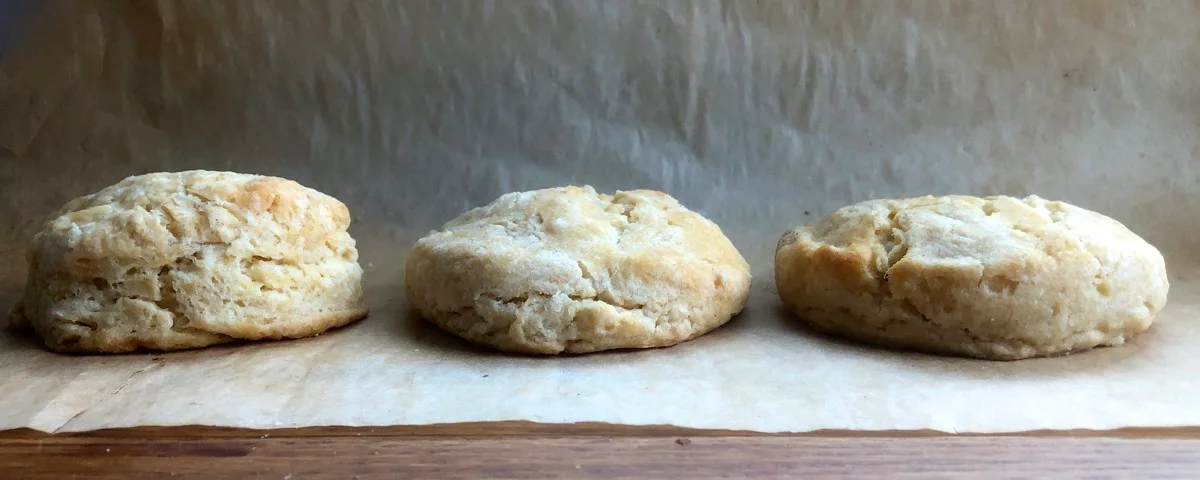
1. Will Cookies Made with Margarine Be Crisp?
Using margarine can even help cookies stay crisp longer. Margarine helps cookies:
- Maintains a dry, crisp texture longer than dairy butter
- Releases less oil during baking
- Creates a smooth surface and attractive golden-brown color
This is why many everyday bakeries and cookie brands use margarine instead of dairy butter throughout their recipes.
Choose margarine with a mild rather than harsh aroma, or add vanilla to improve the cookies' aroma.
2. Do Sponge Cakes Made with Margarine Taste Good?
Using the right margarine with good whipping performance, often called soft margarine, produces sponge cakes with an even rise, softness, aroma and stable structure.
However, keep the following in mind:
- Do not use firm lamination margarine for whipping
- Choose margarine with moderate fat content (~80%) to prevent heavy or collapsed cakes
- Add vanilla, milk powder or whipped eggs to enhance the cake's aroma and structure
3. Will Bread Made with Margarine Be Soft?
The difference between bread made with margarine and dairy butter usually lies in flavor and moist softness. Margarine helps bread:
- Soft, tender and keeps longer
- Costs significantly less
- Improves mixing productivity through structural stability
However, dairy butter creates a distinctive aroma and better flavor. For the premium segment, use a butter blend or pure dairy butter.
4. Can You Use Margarine for Laminated Pastries?
Will laminated pastries made with margarine rise well? This question gives many bakers pause.
Specialized pastry margarine can be used for laminated products such as croissants, puff pastry and Danish pastries. It helps them:
- Rises well with defined layers, thanks to heat tolerance and resistance to melting during rolling
- Pliable, stable and easy to machine-roll, especially in hot, humid conditions
- Reduces ingredient costs compared with dairy butter
However, first understand the functionality of the product you use. Not all margarines are suitable for lamination. Prioritize highly pliable products.
Dairy butter still offers superior aroma and a rich finish. For premium customers, consider a butter blend or 80% margarine + 20% dairy butter to optimize costs while maintaining sensory quality.
5. Should You Use Margarine for Mooncakes?
Mooncakes and other baked goods can certainly be made with margarine, particularly when you choose a mild-flavored product with balanced fat content and good heat tolerance. Margarine helps them:
- Produces an attractive crust without oil seepage after baking
- Makes soft fillings easier to shape without melting during baking
- Extends storage life and reduces rancidity
For a pronounced traditional buttery aroma, choose margarine with natural butter flavoring or a blend containing dairy butter. Many bakeries also use 70–80% margarine + 20–30% dairy butter to optimize costs while preserving traditional holiday flavors.
6. Can You Make Tarts with Margarine?
Tarts can certainly be made with margarine, especially tart bases (pâte sucrée or pâte sablée), which need a crisp, tender texture and even golden color. Margarine helps tart bases:
- Stays crisp with a firm structure that does not crumble when sliced
- Easy to roll thinly, with less oil release during baking
- Produces an even, attractive crust color without excessive darkening or burnt edges
- Significantly reduces costs in large-scale production
Also choose moderately pliable margarine that rolls easily and holds the tart's shape without the edges shrinking during baking.
4 Benefits of Baking with Margarine
1. Affordable for Large-Scale Production
Margarine costs significantly less than dairy butter, making it suitable for bakeries that need to control product costs. Actual costs may fall by 20–40% compared with using dairy butter.
2. High Stability
Margarine has a higher melting point and maintains a more stable texture in warm conditions, which is particularly important for production in Vietnam's hot, humid climate.
3. Easier Storage
Less stringent refrigeration requirements than dairy butter help reduce storage costs and simplify logistics for bakeries and production facilities.
4. Tailored Texture
Some premium margarines are formulated for specific products: soft margarine for creaming cookies, pliable margarine for croissant lamination and aerated margarine for sponge cake batters. These help achieve the desired texture and flavor at a lower cost than dairy butter.
2 Drawbacks to Consider When Baking with Margarine
1. Flavor & Aroma
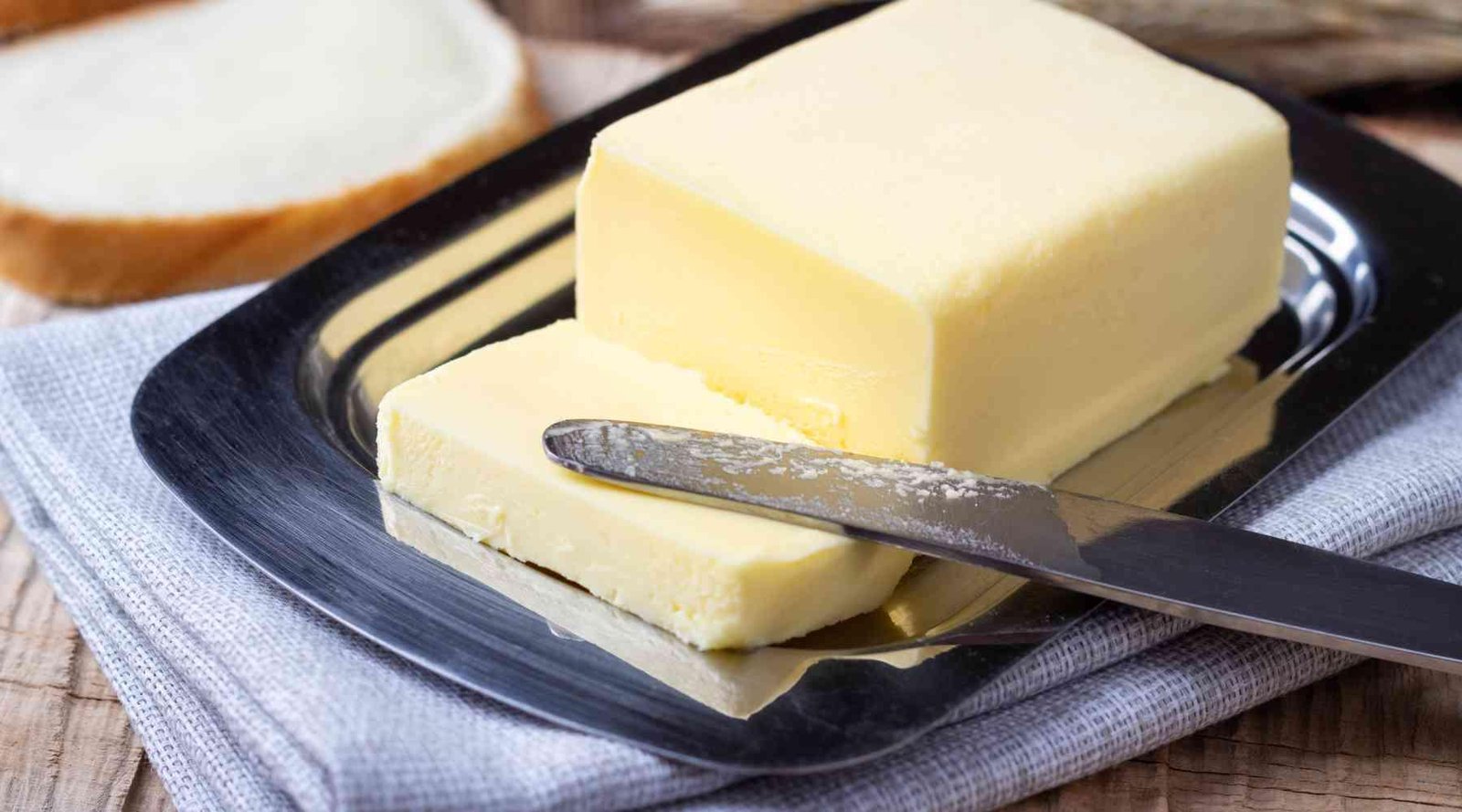
Dairy butter has a more distinctive flavor and melt-in-the-mouth texture. Although many modern margarines have improved to taste similar to butter, and natural vanilla or cultured butter can enhance the aroma, they still cannot fully replace dairy butter in some products, especially in the premium segment.
2. Understanding Premium Customers
Some discerning customers can distinguish between dairy butter and margarine. Consider blending them or using a high-quality specialized margarine, although the cost savings may then be smaller than expected.
Tips for Choosing Baking Margarine
When choosing margarine for professional baking, consider:
Choose Margarine for Its Intended Use
- Whipping (sponge cakes, mousse): Choose soft margarine
- Lamination (croissants, puff pastry): Choose highly pliable margarine
- Dough mixing (cookies, bread): Choose a neutral-flavored product with minimal oil separation
Choose Baking Margarine by Origin
Prioritize imported margarine from specialist bakery manufacturers, as these products generally offer controlled thermal performance, stable texture and milder aromas. Australian and Japanese margarines often provide reliable quality and versatility. Some specialized products keep baked goods soft longer, extending shelf life and limiting lost revenue.
Production Consistency
Choose branded margarine with batch-to-batch consistency to prevent variations in product quality.
Choose Baking Margarine by Product Characteristics
Choose a product with characteristics suited to your baked goods. For bread, consider margarines that prolong softness and storage life. For laminated pastries or croissants, consider specialized unsalted sheets or high-fat products for a crisper crust.
Is Margarine or Dairy Butter Better for Baking?
For premium baked goods, dairy butter is the best choice for flavor, a soft crumb and an attractive, crisp, buttery crust. For the mid-range segment, however, margarine can be more efficient.
The better choice therefore depends largely on the product type and market segment. Here are some key criteria for comparing margarine and dairy butter in baking:
| Criteria | Margarine for Baking | Dairy Butter for Baking |
| Cost | Lower | Cao |
| Aroma | Mild; may require added flavoring | Natural, distinctive aroma |
| Stability | High; less melting at high temperatures | Melts easily; more demanding storage |
| Fat Content | Adjustable, typically around 80% | High, with a rich flavor |
| Storage | Room or cool temperature (~18–24°C) | Requires continuous refrigeration (~4°C) |
| Suitability for Large-Scale Production | Highly suitable | Only for premium and signature products |
| Whipping Performance | Depends on the product | Good |
In summary, can you bake with margarine? Yes. However, not all products are the same. Choose products with clear origins from reputable brands and test their suitability for your intended use.
→ Read more at: Bakery Ingredient